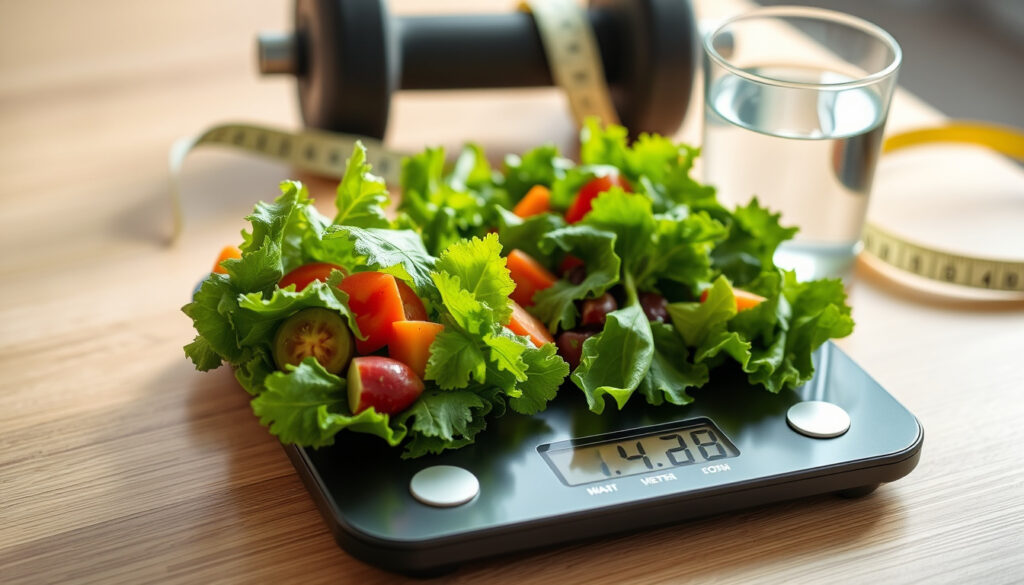
Quickest Way to Lose Weight: Fast, Safe Strategies
Anyone who’s tried to drop a few pounds quickly knows the frustration of conflicting advice. The internet is full of “lose weight fast” promises, but separating safe, evidence-backed methods from fads can feel impossible. This guide focuses on the quickest way to lose weight without sacrificing health, drawing on guidance from the CDC, NHS, and Mayo Clinic. A safe, sustainable rate is 1 to 2 pounds per week, and you’ll learn exactly how to achieve that.
Recommended rate per week: 1–2 lbs (0.45–0.9 kg) ·
Average daily calorie burn (adult): 2000–2500 calories ·
U.S. obesity rate: over 42% ·
Loss from 500-calorie daily deficit: about 1 pound per week
Quick snapshot
- Create a 500–1000 calorie deficit (UC Davis Health)
- Eat high-protein and fiber-rich foods (Harvard Health)
- Limit added sugars and refined carbs (NHS)
- Prioritize 7–9 hours of sleep per night (CDC)
- Manage stress through tracking and support (CDC)
- Stay hydrated – swap sugary drinks for water (Harvard Health)
- Consult a doctor before starting rapid weight loss (Mayo Clinic)
- Monitor for side effects like fatigue or nutrient deficiencies (NHS)
- Consider professional guidance from a dietitian (American Heart Association)
Four key areas, one pattern: none works alone – combining diet, exercise, lifestyle changes, and medical advice gives the fastest, safest results.
The numbers below show the benchmarks for safe, rapid loss.
| Metric | Value |
|---|---|
| Daily calorie deficit for safe weight loss | 500–1000 calories |
| Minimum physical activity per week | 150 minutes moderate exercise |
| Average weight loss in first week of a diet | 2–4 pounds (mostly water weight) |
| Percentage of people who regain weight after a diet | 80% within 1 year |
What is the fastest way to drop weight fast?
- Create a calorie deficit by eating fewer calories than you burn (UC Davis Health)
- Hydration and fiber intake support satiety and help you consume fewer calories (Harvard Health)
- Consistency matters more than drastic measures – small, daily changes add up (Mayo Clinic)
Effective diet adjustments for rapid weight loss
Focus on unprocessed, whole foods. The Harvard Health plate method recommends filling half your plate with vegetables and fruit, a quarter with lean protein, and a quarter with whole grains. Cut out sugary drinks – the NHS says swapping them for water is one of the simplest ways to reduce calorie intake.
High-intensity interval training (HIIT) and fat burn
While the NHS recommends 150 minutes of moderate activity per week, adding short bursts of high-intensity exercise can accelerate calorie burn. However, the cornerstone remains total energy expenditure – no single exercise type guarantees fat loss without a calorie deficit (UC Davis Health).
The role of sleep and stress management
The CDC advises tracking sleep and stress as part of any weight-loss plan. Poor sleep disrupts hunger hormones, and chronic stress raises cortisol, which can promote fat storage. Addressing both improves the speed and sustainability of weight loss.
A person who sleeps fewer than six hours a night may burn fewer calories at rest, undermining even a perfect diet. Without sleep and stress management, the “fast” part of weight loss can stall entirely.
How to lose a stone in 2 weeks?
- Losing a stone (14 lbs) in 2 weeks requires an extreme daily deficit of 3500 calories – far beyond the safe 500–1000 range (Mayo Clinic)
- Medical supervision is recommended for any loss exceeding 2 pounds per week (NHS)
- Long-term sustainability of such rapid plans is low – 80% of dieters regain weight within a year (American Heart Association)
Setting realistic expectations for rapid weight loss
The CDC recommends starting with two or three goals at a time. Aiming to lose a stone in two weeks is unrealistic for most people and can lead to muscle loss, nutrient deficiencies, and gallstones. A more realistic initial target is losing 5% of your current body weight (Mayo Clinic).
Meal planning for maximum calorie reduction
The NHS advises not skipping meals, as it often leads to overeating later. Instead, plan high-protein, high-fiber meals that keep you full. Cutting out processed foods and sugary drinks can trim 500–1000 calories daily without extreme hunger.
Combining exercise with dietary changes
The NHS suggests 150 minutes of activity per week, broken into shorter sessions. Pairing this with a modest calorie deficit (500 calories) can produce 1–2 pounds of loss per week – safe and sustainable.
Extreme goals like “a stone in two weeks” set most people up for failure. The 80% who regain weight often do so because the plan was too aggressive to maintain, as the American Heart Association notes.
What burns the most fat in your body?
- Total energy expenditure – not any single food or exercise – determines fat loss (UC Davis Health)
- Strength training increases muscle mass, which raises resting metabolic rate (CDC)
- Protein has a high thermic effect – your body burns more calories digesting protein than carbs or fat (Harvard Health)
Metabolism: the body’s engine for fat burning
Basal metabolic rate (BMR) accounts for about 60–75% of daily calorie burn. The Mayo Clinic explains that losing muscle slows metabolism – which is why strength training is critical for rapid, sustained loss.
Types of exercise that maximize fat oxidation
High-intensity interval training (HIIT) can increase post-exercise oxygen consumption, meaning you burn more calories for hours after. But the NHS notes that any activity that gets you moving for 150 minutes per week will contribute to fat loss when combined with a calorie deficit.
The effect of diet on thermogenesis
Diet-induced thermogenesis accounts for about 10% of energy expenditure. The Harvard Health plate method naturally boosts thermogenesis because whole foods require more energy to break down than processed ones.
Your body’s fat-burning “engine” is your total daily energy expenditure. The fastest way to rev it is to combine strength training (to preserve or build muscle) with a high-protein diet and regular cardio – exactly what the CDC recommends tracking.
What’s the worst carb for belly fat?
- Added sugars and refined carbohydrates are strongly linked to increased visceral belly fat (NHS)
- Fiber-rich carbs (whole grains, vegetables) are associated with lower belly fat (Harvard Health)
- Low-carb diets may reduce belly fat in the short term, but long-term adherence is challenging (Mayo Clinic)
Refined carbohydrates and their impact on visceral fat
Refined carbs – white bread, pastries, sugary cereals – spike blood sugar and insulin, promoting fat storage around the organs. The NHS advises cutting down on foods high in sugar and fat, especially those with added sugars.
Sugary drinks: liquid calories and belly fat
Liquid calories don’t trigger the same fullness signals as solid food. Swapping soda and juice for water can cut hundreds of empty calories daily. The Harvard Health calls water the best drink for weight loss.
Whole grains vs simple carbs: a comparison
Whole grains (oats, quinoa, brown rice) provide fiber that slows digestion and keeps you full. The Harvard Health plate method emphasizes filling half your plate with vegetables and fruit – the rest should be whole grains and lean protein, not refined starches.
What is the best breakfast for losing belly fat?
- A high-protein breakfast increases satiety and reduces cravings later in the day (Harvard Health)
- Whole grains and berries are linked to lower belly fat in observational studies (Harvard Health)
- Skipping breakfast can be effective if part of intermittent fasting, but the NHS warns it may backfire if it leads to overeating later
High-protein breakfasts to curb cravings
Eggs, Greek yogurt, or a protein smoothie can keep you satisfied until lunch. The thermic effect of protein means you burn more calories digesting it – a subtle but real advantage for fat loss.
Fiber-rich options that support digestion
Oats with berries and nuts provide soluble fiber, which feeds gut bacteria and reduces inflammation. The Harvard Health plate method can be applied to breakfast: half the plate (or bowl) with fruit/veggies, a quarter with protein, a quarter with whole grains.
Skipping breakfast: pros and cons
Intermittent fasting often involves skipping breakfast and restricting eating to an 8-hour window. The Mayo Clinic notes that any eating pattern that creates a calorie deficit can work, but long-term consistency matters more than timing.
For someone who feels hungry in the morning, skipping breakfast may lead to mid-day bingeing, erasing the deficit. A protein-rich breakfast is a safer bet for most people.
Step-by-Step Plan for Rapid Weight Loss
- Calculate your calorie deficit. Determine your maintenance calories (use an online calculator) and subtract 500–1000 calories per day for 1–2 pounds of loss per week (Mayo Clinic).
- Track everything. Use a food diary or app to log meals, activity, sleep, and stress. The CDC recommends tracking these as a first step.
- Eat more protein and fiber. Focus on lean meat, eggs, legumes, vegetables, and whole grains. This boosts satiety and thermogenesis (Harvard Health).
- Move your body daily. Aim for at least 150 minutes of moderate activity each week, plus two strength-training sessions. Break it into 30-minute walks if needed (NHS).
- Hydrate with water. Swap all sugary and high-calorie drinks for water. The Harvard Health says water is the best choice for weight loss.
- Sleep 7–9 hours per night. Poor sleep undermines appetite control and metabolism. Track it as the CDC advises.
- Enlist support. Share your plan with a friend, family member, or coworker. Both the CDC and NHS note that social support increases motivation and adherence.
Confirmed facts and what’s unclear
Confirmed facts
- Calorie deficit leads to weight loss (UC Davis Health).
- Physical activity boosts metabolic rate (NHS).
- Adequate sleep supports weight management (CDC).
What’s unclear
- The specific effect of individual carbs on belly fat location.
- The long-term effectiveness of rapid weight loss plans.
- Whether intermittent fasting is superior to traditional dieting.
“The best way to lose weight and keep it off is to make lasting lifestyle changes. Aim to lose 1 to 2 pounds per week over the long term.”
Mayo Clinic
“Losing weight is not easy, and it takes commitment. The safest way to lose weight is to lose 1 to 2 pounds a week by making small, achievable changes.”
NHS
“Rapid weight loss diets are defined as losing more than 2 pounds per week. They may result in short-term success but often lead to quick regain.”
For anyone trying to lose weight quickly, the decision is clear: adopt a sustainable plan of moderate calorie deficit, regular activity, and behavioral support, or risk the yo-yo cycle that affects 80% of dieters within a year. The evidence from the Mayo Clinic and NHS is consistent: slow and steady wins the race – and it’s actually the fastest way that works in the long run.
For those seeking the quickest way to lose weight, exploring safe rapid weight loss strategies provides a science-backed perspective on fast yet safe methods.
Frequently asked questions
Can I lose 5kg in 2 weeks?
Losing 5kg (about 11 pounds) in 2 weeks is extremely ambitious and generally not recommended. It would require a daily deficit of nearly 2750 calories – far beyond the safe 500–1000 range. Such rapid loss often comes from water weight and muscle, not fat, and carries risks like nutrient deficiencies and gallstones. The Mayo Clinic advises 1–2 pounds per week as a safe target.
What is the quickest way to lose weight without exercise?
Without exercise, the quickest path is a strict calorie deficit through diet. Focus on high-protein, high-fiber foods to maximize satiety. The NHS recommends cutting sugary drinks and processed snacks, and not skipping meals. However, adding physical activity speeds up results and helps preserve muscle.
Does intermittent fasting work for weight loss?
Yes, intermittent fasting can create a calorie deficit by limiting the eating window. The Mayo Clinic considers it a valid approach, but notes that adherence and overall calorie intake matter more than the timing. Some people find it easier to eat fewer calories when skipping breakfast, while others overeat later.
How can a woman lose weight fast?
Women can follow the same evidence-based principles: create a 500–1000 calorie deficit, eat protein and fiber, stay active, sleep well, and manage stress. The CDC suggests starting with two or three goals at a time. Because women typically have lower calorie needs than men, the deficit must be calibrated carefully to avoid malnutrition.
What drink burns belly fat?
No single drink burns belly fat. However, swapping sugary drinks for water helps reduce overall calorie intake, which supports fat loss. The Harvard Health emphasizes water as the best choice. Green tea and black coffee may slightly boost metabolism, but the effect is small.
How to lose weight fast naturally and permanently?
The natural, permanent approach is to adopt lifestyle habits you can maintain: a balanced diet of whole foods, regular physical activity (150 minutes per week as NHS advises), adequate sleep, and stress management. Rapid short-term fixes almost never lead to permanent results – 80% of dieters regain weight within a year (American Heart Association).
Related reading: How Many Calories Do I Burn a Day? A Complete Guide · How to Get to Sleep Fast with NHS and Mayo Clinic Tips
More related posts
 Harry Potter and the Cursed Child Movie – 2026 Rumors Debunked
 Coughing Up Green Mucus: Causes, Seriousness & Treatment
 England Women’s National Football Team Players: Squad & Facts
 André Rieu 2026-2027 Tour: Health, Plans & Net Worth
 House for Sale Edinburgh: 3-Bed, Historic & Budget Homes
 Jasmine Al-Fayed: Age, Husband, Net Worth & Family Legacy
 The Snail and the Whale: Story, Moral, Age, and Species
 Anne Boleyn: Real Story, Execution, Children, Last Words & Facts