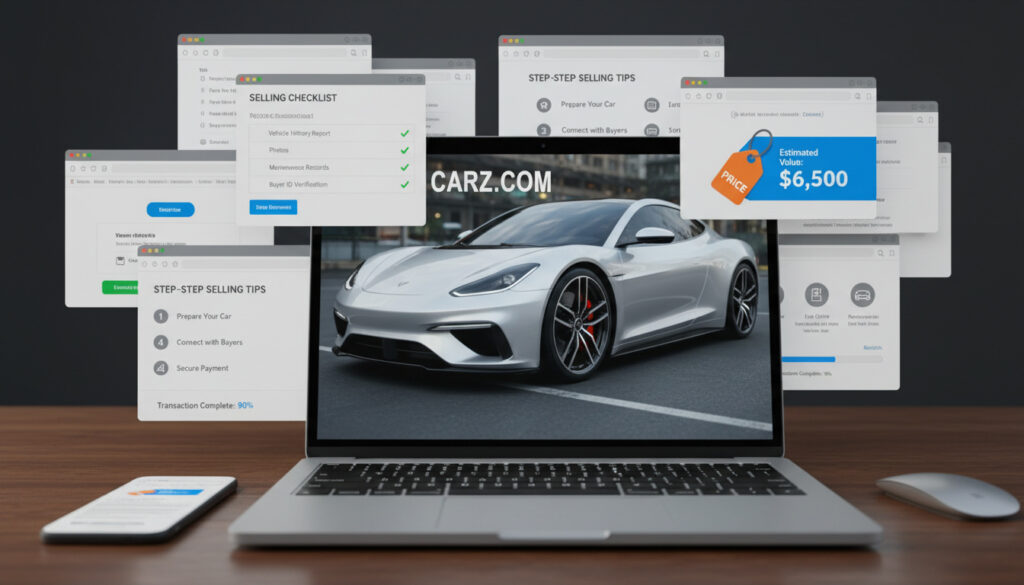
Sell My Car Online – Best Sites Steps and Tips
Selling a vehicle through digital platforms has shifted from an alternative method to the primary pathway for millions of transactions annually. The process removes geographical limitations while offering tools that previously required dealer intermediaries.
Several distinct models now dominate the market. Instant-purchase services complete transactions within hours but may offer lower returns, while marketplace listings extend timelines but preserve pricing control. Your optimal approach depends on balancing immediate liquidity against maximum sale price.
Online selling methods now facilitate a substantial portion of used vehicle transfers, with platform sophistication varying from basic classified listings to fully managed sales including logistics and documentation handling.
What Are the Best Websites and Apps to Sell Your Car Online?
The digital marketplace divides into four primary categories based on seller priorities and vehicle types.
Instant Sale
Carvana and CarMax prioritize speed. Carvana generates quotes within minutes through VIN or license plate entry and provides complimentary vehicle collection. CarMax delivers guaranteed offers with same-day payment capabilities.
Maximum Exposure
Autotrader and CarGurus reach national audiences. Autotrader supports up to 30 photographs and provides pricing comparison tools. CarGurus offers transparency features indicating whether listings represent “Great,” “Fair,” or “Overpriced” deals.
Local Private
Facebook Marketplace and OfferUp facilitate neighborhood transactions without listing fees. Facebook Marketplace integrates messaging systems for immediate buyer communication.
Specialty Markets
eBay Motors accommodates unique vehicles through auction or fixed-price formats with national reach. Craigslist maintains effectiveness for rapid local postings requiring minimal setup time.
Platform Selection Criteria
- Carvana processes offers using vehicle identification numbers or license plate data exclusively
- CarMax eliminates negotiation requirements through guaranteed pricing structures
- Autotrader accommodates both dealer and private party transactions simultaneously
- CarGurus allows dealers to submit instant cash offers without seller fees
- Facebook Marketplace and local eBay listings incur no publication charges
- CarGurus defers fees until successful sale completion
- eBay Motors charges for national exposure listings when sellers offer transportation
Comparative Platform Specifications
| Platform | Sale Method | Typical Timeline | Listing Cost | Payment Timing |
|---|---|---|---|---|
| Carvana | Instant Quote | Minutes to 24 hours | None | Upon pickup |
| CarMax | Guaranteed Offer | Same day | None | Same day |
| Autotrader | Listing/Dealer | Days to weeks | Enhanced plans available | Variable |
| CarGurus | Listing/Instant | Days to weeks | None until sale | Variable |
| Facebook Marketplace | Private Local | Days | None | Upon agreement |
| eBay Motors | Auction/Fixed | 1-7 days | Free local; Paid national | Upon completion |
| Cars.com | Listing/Dealer | Days to weeks | Variable | Variable |
| OfferUp | Mobile Local | Days | None | Upon agreement |
How Do I Sell My Car Online? Step-by-Step Guide
The transaction process follows distinct phases regardless of platform choice, though specific requirements vary by state jurisdiction.
Preparation and Documentation
Begin by locating your vehicle title and registration documentation. Clean the vehicle thoroughly and photograph damage accurately. Obtain a vehicle history report if available. Current odometer readings require documentation for most transactions.
Your Vehicle Identification Number (VIN) provides the most accurate pricing estimates. Platforms use this data to verify specifications and adjust offers based on accident history and service records. Entering your license plate alternatively retrieves similar information through DMV databases.
Platform Selection and Listing Creation
Choose between instant-offer services and marketplace listings based on your timeline constraints. For marketplace options, compose descriptions including year, make, model, mileage, and condition. Upload high-resolution images showing multiple angles plus interior details. Set pricing using comparison tools available on listing sites.
Inspection and Closing Procedures
Instant purchase services typically conduct physical inspections before finalizing offers. Private sales require meeting buyers at secure locations. Payment verification remains essential before transferring titles. Complete bill of sale documentation according to your state’s requirements.
Is It Safe to Sell Your Car Online? Risks and Protections
Security considerations vary significantly between instant-purchase services and private party transactions. While established platforms provide structured processes, individual seller protection requires additional vigilance.
Buyer Verification Challenges
Private sales necessitate confirming buyer identity and payment legitimacy. Meet prospective buyers in public locations during daylight hours. Verify that test drivers possess valid licenses and insurance coverage. Avoid sharing personal address information until transactions near completion.
Limited standardized guidance exists on fraud prevention strategies specific to online vehicle sales. Detailed state-by-state legal requirements regarding title transfers and paperwork completion remain outside the scope of available platform documentation. Sellers should consult local DMV resources for jurisdiction-specific requirements.
Payment Security Methods
Cashier’s checks and electronic transfers provide more security than personal checks. For high-value transactions, consider completing exchanges at banking facilities where funds can be verified immediately. Never release vehicle possession before confirming payment clearance.
How Much Can You Get for Selling Your Car Online?
Pricing outcomes depend primarily on sales channel selection and vehicle condition. Private party transactions typically yield higher returns than instant-purchase services, though the difference varies by market segment.
Instant Offers vs. Market Value
CarMax and Carvana prioritize convenience over maximum pricing, generating offers based on wholesale market data. These services absorb reselling risks and logistics costs, accounting for lower initial offers. Private sales through CarGurus or Facebook Marketplace allow sellers to capture retail margins but require time investment.
CarGurus provides algorithmic deal ratings indicating whether your asking price falls above or below market averages for comparable vehicles. This feature helps sellers position listings competitively without requiring external valuation services.
Timeline Impact on Returns
Urgency directly affects sale prices. Same-day payment options through CarMax sacrifice approximately 10-20% compared to private market values. Listings requiring days or weeks to attract buyers typically achieve prices closer to retail benchmarks. Seasonal demand fluctuations also influence final values for specific vehicle categories.
How Fast Can You Sell Your Car Online?
Transaction velocity ranges from immediate to several weeks depending on platform mechanics and pricing strategy.
- Valuation Phase (Day 1): Instant quote platforms generate offers within minutes of VIN entry. Marketplace listings require comparable research and photography sessions lasting several hours.
- Listing or Offer Acceptance (Days 2-3): Carvana and CarMax proceed directly to scheduling. Traditional listings on Autotrader or Facebook Marketplace enter active markets immediately but require waiting for buyer inquiries.
- Vehicle Inspection (Day 4): Instant purchase services conduct condition verification before finalizing offers. Private sales involve buyer examination and potential mechanic inspections.
- Payment and Transfer (Day 5): CarMax provides same-day payment upon acceptance. Other platforms and private transactions complete upon title transfer and fund verification.
Dealer network platforms like Motorway aggregate multiple dealership offers simultaneously, potentially reducing comparison time while maintaining competitive bidding.
What Is Certain—and Uncertain—About Online Car Sales?
The regulatory and procedural landscape contains both fixed requirements and variable elements that complicate universal recommendations.
Established Requirements
- Clean vehicle titles are mandatory for most state transfers
- Government-issued identification is required for all documented sales
- Odometer disclosure statements are federally mandated for vehicles under ten years old
- Valid registration documentation facilitates smoother transactions
Variable or Unclear Factors
- Final offer adjustments after physical inspection remain unpredictable
- State-specific transfer fees and tax obligations vary significantly
- Procedures for selling vehicles with existing liens differ by jurisdiction
- Documentation requirements for salvage or damaged vehicles lack standardization
Significant gaps persist regarding state-by-state DMV requirements, specific fraud prevention protocols, and standardized procedures for damaged vehicle sales. Sellers should verify local regulations independently.
Why Are More Sellers Choosing Online Platforms?
The migration toward digital vehicle sales reflects broader retail trends favoring price transparency and process efficiency. Traditional dealership trade-ins historically provided convenience but limited pricing visibility. Modern platforms offer instantaneous market comparisons previously unavailable to individual sellers.
The shift also responds to logistical improvements. Free vehicle pickup services eliminate transportation barriers for sellers without means to deliver vehicles to physical locations. Digital payment systems reduce cash-handling risks associated with private party transactions.
For those researching market trends alongside financial decisions, understanding currency valuations and international commerce patterns provides helpful context. 1 Dollar to Cedis – Current Rate and Trends Today offers relevant economic analysis.
Where Does This Information Come From?
Platform specifications and procedural details derive from automotive industry publications and dealership technology reviews.
“Carvana and CarMax provide quotes within minutes, with CarMax offering same-day payment.”
— Automotive Technology Review, 2025
“Autotrader lets you post up to 30 photos and access pricing tools comparing your listing to similar models.”
— Vehicle Sales Platform Analysis
Specific safety protocols and state legal variations remain undocumented in available platform documentation, indicating areas requiring direct governmental source consultation.
What Should You Do Next?
Begin by obtaining your VIN and assessing your timeline requirements. If immediate liquidity outweighs price maximization, submit your vehicle details to Carvana or CarMax for instant quotes. For those seeking retail pricing, prepare comprehensive photography and listing materials for Autotrader or Facebook Marketplace. While preparing your vehicle for sale, you might also explore consumer product comparisons for context on marketplace dynamics, such as reviewing Adidas Leopard Print Trainers – Best Models, Prices and Where to Buy to understand how online pricing structures function across different product categories. Always verify your state’s specific title transfer requirements through official DMV channels before finalizing any transaction.
Common Questions About Selling Cars Online
Is it better to sell my car online or to a dealer?
Online sales typically yield 10-20% higher returns than dealer trade-ins but require more time and effort. Dealer transactions offer immediate payment and convenience. Instant online buyers like CarMax bridge this gap by offering same-day payment with less negotiation than private sales.
How to sell a damaged car online?
Available resources provide limited specific guidance on damaged vehicle sales. Instant quote platforms may accept damaged cars at adjusted prices. Specialty salvage marketplaces exist but require careful research. Documentation requirements for salvage titles vary significantly by state.
What fees are involved in selling car online?
Facebook Marketplace and local eBay listings charge no fees. CarGurus and similar platforms typically charge only upon successful sale. Autotrader offers paid enhancement plans for increased visibility. National eBay listings incur fees, especially when transportation is involved.
Can I sell my car online without a title?
Most platforms require clear title documentation to complete sales. Some services may purchase vehicles with existing liens, but procedures vary by state and lender. Duplicate titles can usually be obtained through your state DMV for a fee, though processing times differ by jurisdiction.
How do I avoid scams when selling online?
Meet buyers in public locations during daylight. Verify payment clearance before transferring possession. Accept cashier’s checks or electronic transfers rather than personal checks. Be wary of buyers unwilling to meet in person or attempting to overpay with requests for refunds.
What paperwork is essential for selling?
Required documentation typically includes the vehicle title, valid identification, and odometer disclosure statements. Bill of sale forms provide additional legal protection. Specific requirements vary by state, particularly regarding notarization and emissions certification documentation.
How accurate are online car valuations?
Initial quotes based on VIN entry provide estimates subject to physical inspection adjustments. Condition verification often modifies final offers, particularly for instant-purchase services. Private listing prices remain negotiable based on buyer demand and inspection findings.
More related posts
 Celtic v St Mirren: 6-2 Scottish Cup Semi Result & Guide
 Charles de Gaulle Airport: Guide to CDG Paris Transport & Maps
 Devon Cliffs Holiday Park: Exmouth Guide, Facilities & Reviews
 Where to Watch Home Alone: Netflix, Disney+, Prime 2025
 Newspaper – Definition, Formats and Historical Development
 Kendrick Lamar Not Like Us: Feud, Lyrics & Super Bowl
 Harry Potter and the Cursed Child Movie – Facts vs Rumors
 Best Perfume Advent Calendar 2025: Top Picks Reviewed